
SOUTH MIAMI DOG TRAINING

Puppy Training Timeline: What to Teach in the First 6 Months
Here's the truth that surprises most new puppy owners: you don't get to decide when training starts. Your puppy started learning the moment they walked through your door. Every greeting, every meal, every "aww, it's fine, he's little" is a lesson. The timeline below just makes sure the lessons are the ones you actually want taught.
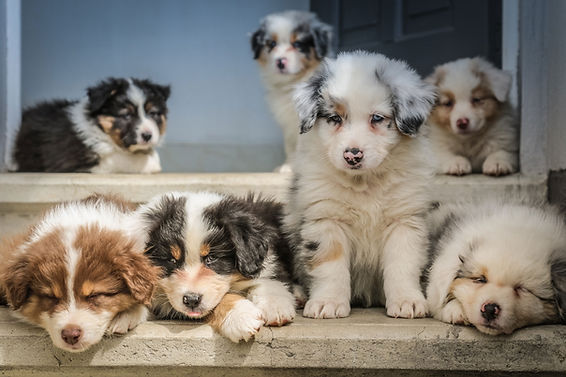
8–12 weeks: the foundation window
This is prime socialization time, and it matters more than any command. Your puppy's brain is deciding what's normal: traffic sounds, skateboards, strollers, men in hats, other dogs, the vet's scale. Calm, positive exposure now prevents fear later — and fear is far harder to fix than ignorance. At home, focus on three things: a potty routine (out after every meal, nap, and play session), crate comfort (feed meals in it, keep it pleasant, never use it as punishment), and their name meaning "good things happen when I look at you."
3–4 months: the basics take shape
Now layer in the classic cues — sit, down, come — in short, upbeat sessions. Two minutes, five times a day beats one exhausting half hour. Start leash walking indoors where it's easy, then graduate to the real world.This is also when the crocodile phase peaks. Puppy teeth on your hands means play ends, instantly and boringly. Redirect to a toy every single time; consistency here saves your furniture and your guests.
4–6 months: proofing and patience
Your puppy "knows" sit — in the kitchen, when you have cheese. Now teach them that sit also means sit at the front door, on the sidewalk, and when another dog walks by. Trainers call this proofing, and it's the difference between a trick and a skill.Fair warning: adolescence begins around this age, and your model student will suddenly develop selective hearing. This is normal, hormonal, and temporary. Keep sessions fun, keep standards consistent, and don't take it personally.
What NOT to worry about
Perfect heeling, long stays, and impressive tricks can all wait. What can't wait is socialization, bite inhibition, and a puppy who believes training is the best game in the house. Get those right in the first six months and everything else comes easily — get them wrong and you'll spend year two undoing it.
Need a hand with this?
Every article on this site starts as advice we give real Miami dog owners. If your dog needs more than an article, the first consultation is free.